Chloe Alana
Writer & Speaker
Chloe Alana is a writer and cultural demographer examining how falling birth rates are reshaping adulthood, relationships and the future of society.
Her work explores a deeper question: what happens when modern life stops being organised around reproduction?
Through writing, speaking and research, Chloe helps audiences understand the structural forces reshaping modern life: from declining birth rates and shifting family structures to the rise of childfree adulthood.
Her nonfiction analyses the signals emerging today, while her speculative fiction explores what the future might look like if those signals continue.
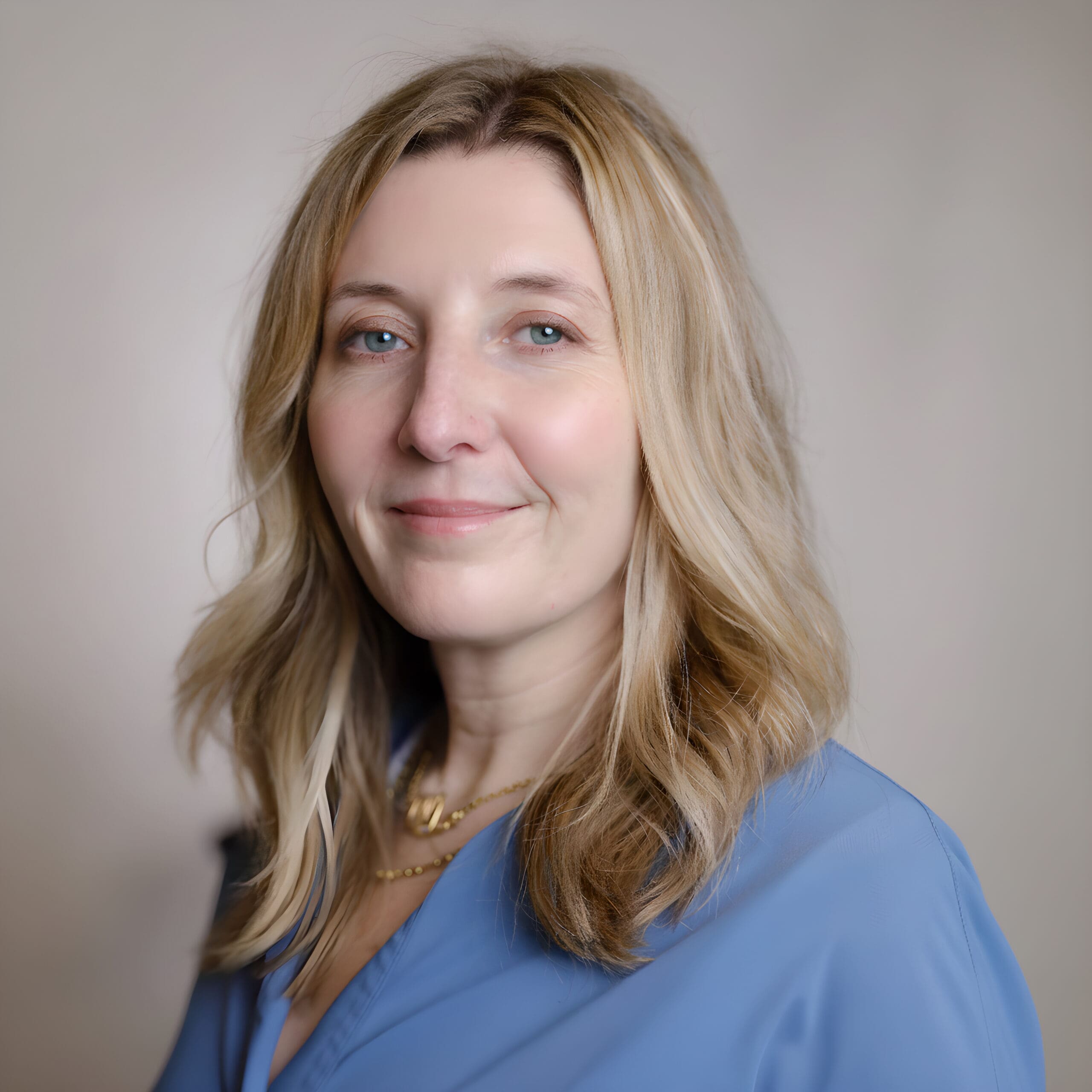
Chloe analyses the cultural, demographic, and social forces reshaping modern life.
Her talks blend research and insight to illuminate the future of relationships, family, and society. She examines a major but overlooked 21st-century shift: What if reproduction is no longer the default path?
‘Generation Zero’ marks a possible demographic first: the majority of adults never becoming parents.

Featured Articles
Women Are Made to Decide. Men Are Permitted to Wait.
What a global survey of 108,926 people reveals about countdown maths, someday thinking, and the unequal pressure to plan a life.
The Broken Promise of Adulthood
Why the life people were promised no longer arrives in order
The Women’s Curriculum
Before the algorithm, it was the bookshelf. Different medium. Same instruction.
Age as Proxy
How Society Decides If Your Life Is Temporary or Complete
Generation Zero
Baby Boomers were named for the generation they were born into. What about the generation that births none?
What TV taught women about the futures they could imagine
Culture is one of the quietest, most powerful natalism nudges of all.
Natalism Nudges
The subtle stories shaping family, fulfilment, and choice
is your brand invisible to women?
What we’re talking about
@chloealanawilliams
Wanting kids and being able to have them are not the same thing.
And the gap between the two is getting wider and wider.
It was a real pleasure to sit down with @annalouiesuss for Kaleidoscope Lives, my new podcast series exploring how relationships, family and modern adulthood are changing.
Starting from her own path to parenthood, Anna reports across South Korea, Scandinavia, Poland and the US, looking at how dating, housing, work, climate anxiety and decades of policy decisions have pushed family life out of reach for many people. It’s a powerful reminder that falling birth rates aren’t just about what we want, but what we can afford.
Her book, Who Gets to Have Kids?, is out in UK bookshops today! Go get yourself a copy!📚
I couldn’t have asked for a better first guest to kick off the series. The full episode drops next week, so stay tuned... 🎧
#modernadulthood #childfree #motherhood #kaleidoscopelives


We’re so quick to decide when someone’s “moment” is supposed to happen.
Michelle Yeoh won her first Oscar at 60. Now, she’s leading Blade Runner 2099.
If we’d stopped paying attention to her story at 40, we might have assumed her biggest moments were already behind her.
Maybe “late” says less about when someone succeeds, and more about how quickly we decide their story is over.
You can’t judge a pattern from the middle of it, because you don’t yet know which piece will matter most.
#kaleidoscopelives #womenover40 #adulthood #lifestyle #lifeafter60

Have you ever found yourself comparing your life to the people around you?
It’s important to remember that our impression of a life and the experiences of living it are not the same.
From the outside, we can see the shape of a life. The job, the relationship, the house.
But we can’t see its colour, or how that colour changes.
#kaleidoscopelives #womenover40 #childfree #adulthood #modernadulthood

Why do people actually get married?
For many, it was love, but it was also timing, and “well, it was just the next thing!”
Marriage used to be the whole package: partner, house, kids.
Now all of that can happen separately, or not at all.
The old script is still there, we just get a lot more say in whether we follow it.
If nobody expected it of you, would you still get married?
#marriage #womenover40 #childfree #motherhood #womenempowerment

By the time we reach adulthood, we’ve already spent years imagining what it would look like.
TV gave us a vision of it: independence, careers, relationships, close friendships, a life that felt figured out.
Those ideas don’t stay fiction for long. By adulthood, they start to feel like expectations.
But real adulthood rarely follows that script.
So what happens when reality doesn’t match the version we imagined?
#womenover40 #childfree #popculture #modernadulthood #influencer
